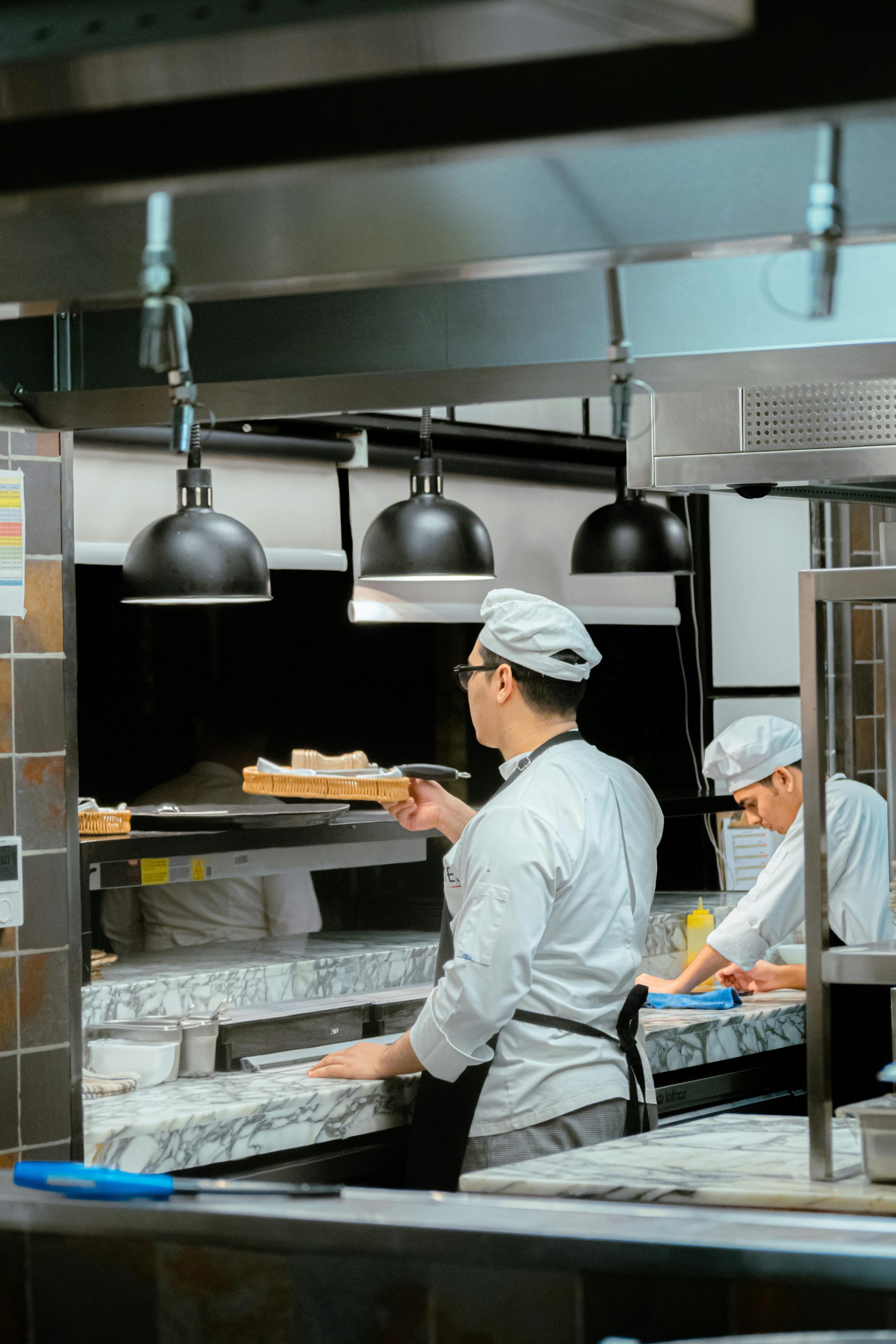
Top 10 Tips for Setting Up a Restaurant Kitchen in Denver
Restaurant Kitchens
Setting up a restaurant kitchen in Denver is an exciting venture that requires careful planning and execution. Here are our top 10 tips to help you create an efficient, compliant, and cost-effective kitchen space:
Plan Your Layout Efficiently
Invest in High-Quality Equipment
Compliance with Local Regulations
Optimize for Energy Efficiency
Ergonomic Design
Training and Safety Protocols
Flexible Design
Invest in Technology
Storage Solutions
1. Plan Your Layout Efficiently
The layout of your kitchen should facilitate smooth workflow and efficiency. Consider the “kitchen work triangle” concept, which positions the sink, stove, and refrigerator at three points of a triangle for easy access. Ensure ample space for movement and that stations are logically arranged to minimize steps. Learn more about Kitchen design layouts!
2. Invest in High-Quality Equipment
Quality equipment is a long-term investment that ensures reliability and efficiency. Choose commercial-grade appliances that can withstand the demands of a busy kitchen. Equipment like commercial ovens, refrigerators, and dishwashers are essential.
3. Compliance with Local Regulations
Denver has specific health and safety regulations for restaurant kitchens. Familiarize yourself with local health codes and ensure your kitchen meets all requirements. This includes proper ventilation, sanitation facilities, and fire safety measures.
4. Optimize for Energy Efficiency
Energy-efficient appliances can significantly reduce operational costs. Look for ENERGY STAR-rated equipment and implement practices that reduce energy consumption, such as using LED lighting and regularly maintaining appliances.
5. Storage Solutions
Effective storage solutions keep your kitchen organized and ingredients fresh. Invest in high-quality shelving, refrigeration units, and dry storage solutions. Ensure that storage areas are easily accessible to reduce preparation time.
6. Ergonomic Design
An ergonomically designed kitchen reduces strain on staff and improves productivity. Install workstations at the appropriate height, use anti-fatigue mats, and ensure that frequently used items are within easy reach.
7. Training and Safety Protocols
Training your staff on safety protocols and the proper use of equipment is crucial. Implement a comprehensive training program covering food safety, equipment handling, and emergency procedures. Regularly review and update these protocols.
8. Flexible Design
The restaurant industry is dynamic, and your kitchen should be able to adapt to changes. Modular equipment and flexible layouts allow you to reconfigure your kitchen to accommodate menu changes or increased demand.
9. Invest in Technology
Modern kitchen technology can streamline operations and improve efficiency. To enhance productivity, consider integrating kitchen display systems (KDS), inventory management software, and automated ordering systems.
10. Sustainable Practices
Incorporate sustainable practices to reduce your environmental impact. Implement a waste management system, use eco-friendly cleaning products, and source local and sustainable ingredients. Sustainability not only benefits the environment but also appeals to eco-conscious customers.
Setting up a restaurant kitchen in Denver involves balancing efficiency, compliance, and sustainability. By following these tips, you can create a kitchen that supports a thriving restaurant business.
For more detailed advice and top-quality restaurant equipment, visit Standard Denver.